
“Acknowledging pressure helps people stay safe, focused and effective.”

To mark Mental Health Awareness Week, we’ve worked with Orion Pharma UK to share the personal and organisational actions they take to prioritise mental health.

Mental Health Awareness Weeks is an annual campaign focused on ensuring mental health remains central to public conversation, with the theme this year being ‘Action. The theme was chosen because, while awareness is a vital first step, the Mental Health Foundation emphasises that real change only happens when individuals, workplaces and communities take concrete steps toward better mental health. 

To mark Mental Health Awareness Week, Ian Wariner and Emma Savory, from our corporate partner, Orion Pharma UK, share with us how they take personal and organisational action to prioritise mental health, and their advice for leaders and colleagues working in pharmacy.

This article contains references to suicide which readers may find triggering. 


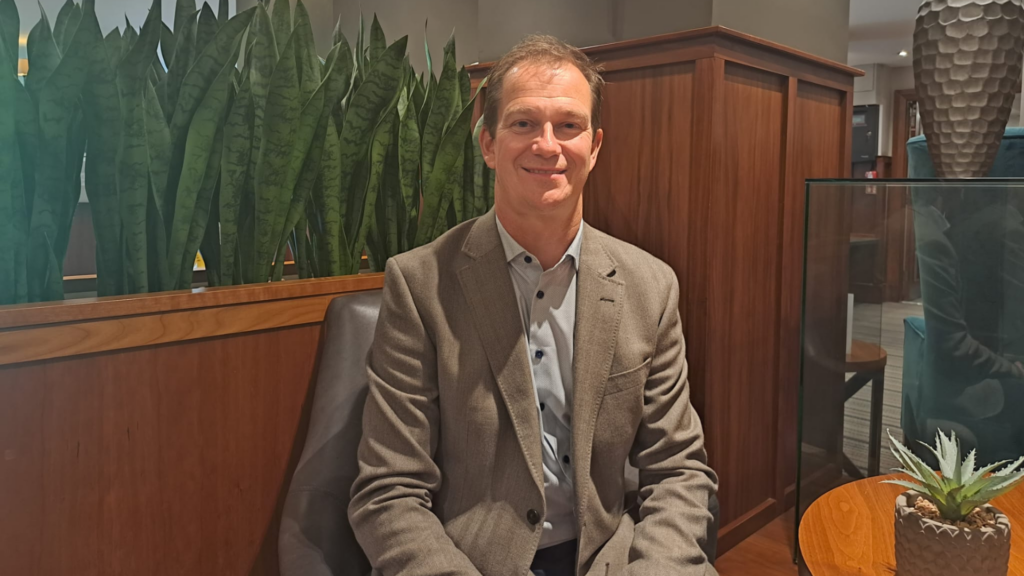
Ian Wariner, Country Manager at Orion Pharma UK, shares how he helps to create a safe workplace environment where mental health is a priority:

Leaders often set the tone for workplace culture. What practical things do you personally do to model healthy behaviours around workload, boundaries and wellbeing for your team?

  • State that if I send emails during evenings or weekends, I do not expect a response outside of normal working hours. (Or I use the delayed send option)
  • Ask my team members how they are at the start of each meeting and offer more support or flexibility (where possible) if they are going through a difficult period
  • Protect the team from excessive or last-minute demands where possible, provide feedback when this consideration has been overlooked and escalate to more senior managers on behalf of employees when unmanageable deadlines are imposed on the team
  • Help prioritise workload when it’s too high and encourage the team to speak up about tasks/projects that may not be going so well
  • Acknowledge people’s contribution and effort, especially during busy or challenging periods
  • Offer flexibility with appointments and personal challenges (where the role allows) and treat people as individuals rather than applying a one size fits all approach
  • Actively encourage staff to take their annual leave
  • Remind staff about Employee Assistance Programme offerings and how to utilise them.

For other leaders and managers who want to create psychologically safe workplaces but don’t know where to start, what’s the first action you’d recommend they take?

Start by building trust within your team. Make it clear through both words and actions that it’s safe to ask questions, challenge the status quo respectfully and hold different opinions. Leaders can do this by role modelling openness themselves – admitting when they don’t have all the answers, inviting input and responding constructively to challenge. Creating regular opportunities for open dialogue and consistently listening to feedback helps reinforce psychological safety and shows teams that speaking up is genuinely valued.

Additionally, to support our employees’ mental health, we have introduced Mental Health First Aiders at each site who are available to talk confidentially to staff and signpost them to the most appropriate support.

"Creating regular opportunities for open dialogue and consistently listening to feedback helps reinforce psychological safety and shows teams that speaking up is genuinely valued. "

To mark Mental Health Awareness Week, we’ve worked with Orion Pharma UK to share the personal and organisational actions they take to prioritise mental health.

Emma Savory, HR Manager UK & Ireland at Orion Pharma UK, also shares how she prioritises her own mental health and how pharmacy teams can support colleagues going through mental health difficulties:

Leaders and managers are under pressure too. How do you take action to protect or improve your own mental wellbeing whilst supporting a busy organisation?

This is still a work in progress, and I haven’t completely nailed it yet. I try to avoid scheduling back-to-back meetings where possible and to be more intentional about protecting focus time. I also block out regular reflection time each week to think about what’s gone well, what hasn’t and what I could do differently. Getting outside, away from screens and spending time in nature really helps me reset. Importantly, I try to be kind to myself when things don’t go to plan and recognise when I need to pause, ask for support or reset my boundaries.

What would you say to people working in pharmacy who worry that talking openly about mental health might be uncomfortable or affect performance and how has your experience challenged that perception?

Firstly, I’d encourage line managers to gain training in helping to create an open workplace culture. It doesn’t even have to be formal; there are many articles and free resources online. Mental health is so important, yet many people struggle alone. Acknowledging pressure helps people stay safe, focused and effective, which ultimately protects patients as well as colleagues. Talking about mental health can feel awkward at first, but difficult conversations often get easier with practice – especially when people experience supportive responses.

In general, for people worrying about talking openly, I’d say please talk to those you feel comfortable with – you don’t have to share everything with everyone. Choosing someone you trust and sharing only what feels comfortable is enough to start getting support. Many people worry they’ll be seen as less capable but, in reality, most teams respond with understanding, and workplaces are increasingly recognising mental health as part of overall wellbeing – not a personal failing.

Pharmacy is a high pressure, accuracy critical environment so speaking up when things feel overwhelming can reduce risk (rather than increase it) by allowing adjustments before errors occur. In my experience, being open has often strengthened working relationships, helped build trust and confidentiality and reduced stress, rather than harming performance. People tend to feel less alone, more supported and better able to manage pressure.

I’ve also personally experienced the devastating, life altering impact of losing a colleague to suicide. That experience has stayed with me and reinforced that openness saves lives, strengthens teams and reminds us how vital it is that no one feels they have to face challenges alone. I hope by speaking openly we can help people see that support and alternatives are always available.

If anyone is feeling that they may not have any other options, I would strongly encourage them to speak to someone immediately – whether that’s a trusted person, the Samaritans (on 116 123), or calling 999 if there is immediate danger.

"Acknowledging pressure helps people stay safe, focused and effective, which ultimately protects patients as well as colleagues."

To mark Mental Health Awareness Week, we’ve worked with Orion Pharma UK to share the personal and organisational actions they take to prioritise mental health.

Are you struggling with mental health and need someone to talk to?

Pharmacist Support offers a confidential counselling service for pharmacists and their families, former pharmacists, trainee pharmacists and pharmacy students.

Find out more